What a Clean House Hides
The performance of cleaning and the politics of spotless rooms

You can tell everything about a house by the way it handles its mess.
I’ve lived in over ten houses. Each had its own map of rules. Most of them unwritten. All of them inherited, enforced, absorbed. Fascinating.
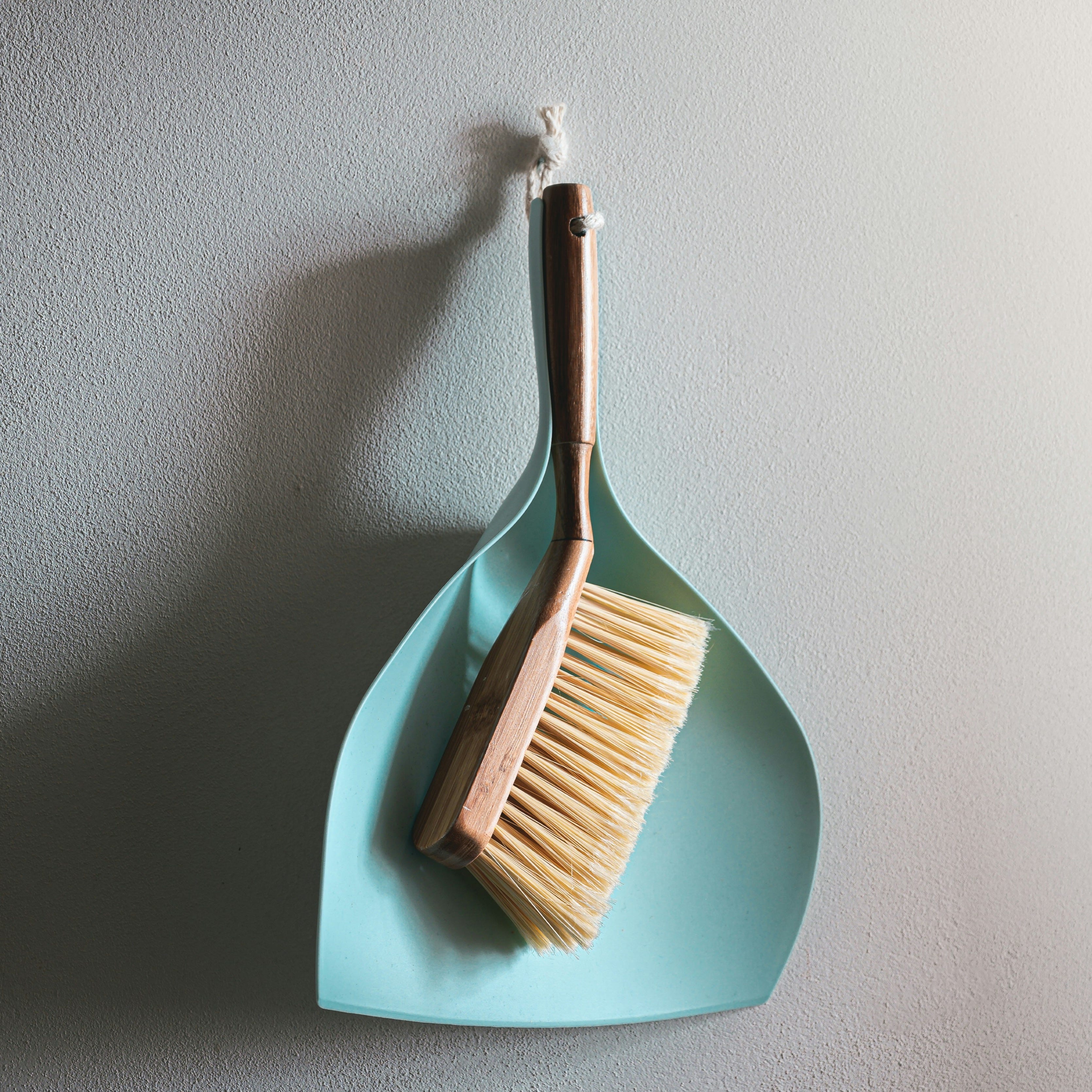
Some homes had a mop no one but the maid was allowed to touch. Some had none, just a wet gamchha, wrung hard and dragged across the floor like a punishment. In some houses, the broom had to be kept upright, hidden behind a door. In others, the broom had its own hook. It lived beside the washing machine like it was part of the family.
Cleaning, I’ve come to realise, is never neutral. It knows who’s allowed to leave a mess – and who’s expected to erase it.
Every home taught me a different relationship with mess.
Some were fine with it. The hostel room with the undrunk water bottles, half-packed bags, and beds that were made only when someone’s parents were visiting. Dust settled like another resident. You learned to live with it. We all did. There were more important things – like finishing assignments, nursing heartbreaks, or waiting for the geyser to work.
The PG was its own ecology. A shared fridge full of expired ketchup packets, long-forgotten takeout, and cautionary tales of mice and mold. Someone was always cleaning at 11 p.m. before their mother visited. Someone else was hoarding plastic bags under the sink. No one questioned the mess.
Then there was the flat where I lived with a roommate who often rage-cleaned. The kind where the mop thwacked the floor like it was punishing it. Drawers slammed, cloths wrung dry like they owed her something. The sink scrubbed so hard you’d think it was to erase the argument we hadn’t had yet.
In these homes, cleanliness wasn’t about hygiene.
It was about emotion.
Morality.
Status.
Power.
A way to express things we didn’t have the language for.
A sign of being good. Being raised right. Being respectable.
Dust meant shame. Stains meant failure.
A towel out of place meant you didn’t care enough – about yourself, your family, your life.
In my mother’s house, the living room is always spotless. Guests sit there. Respectability lives there. The curtains are drawn just so, the cushions puffed up with practiced precision, the chairs aligned like soldiers. It’s a room that prepares itself for judgement.
The kitchen, though – it is the backstage. It’s where the real work happens. Cluttered, noisy, alive. Smelling of onions, boiling milk, and yesterday’s panic. Piled vessels in the sink, vegetables half-cut on the board, pressure cooker hissing like an impatient stage manager. It’s a room full of motion and history. No guest is led there unless invited. And even then, only after an apology.
I didn’t realise until much later how much of womanhood was about managing where the mess is allowed to be seen. Not just in the house, but in the self.
We learn early to curate the visible parts – the polite smile, the calm tone, the decent blouse, the neat parting in the hair. While the anger, the fatigue, the doubt, the grief – all of it simmers in the back room. Scrubbed. Stirred. Hidden.
We grow up thinking we’re learning to host.
But what we’re really learning is how to stage a life that looks untouched by the labour of living.
And that training stays.
I’ve watched women clean corners no one ever looks at. I’ve watched maids be complimented for “doing it like family” and still be asked to enter through the back gate. I’ve watched myself apologise for the mess in my house when a friend drops by unannounced – even if the mess is just a jacket on a chair. A cup in the sink.
Even now, in the house I call home, I wipe down counters that aren’t dirty. I fix cushions before I sit. I feel the need to “deserve” my own space by earning it with tidiness.
Clean is just another way of saying:
nothing out of place, nothing out of line, nothing out of control.
While the floor shines, the storm lives in the drawers.
I’ve mastered the act of cleaning – so well, I no longer remember where I left the mess.