
The Rise of Hobby Guilt
Why we can’t just do things badly anymore

There was a time when people had hobbies.
Simple, harmless things. Growing plants. Sketching faces that didn’t quite look human. Playing the same three chords on a guitar for years. None of it was content. None of it was monetised. It was just something to do after dinner when the world wasn’t asking for proof of productivity.
Now, every interest is an audition. The moment you enjoy something, it becomes a potential side hustle. Try painting, and someone will ask if you’ve opened an Etsy store. Cook a decent meal, and suddenly you’re told to start a food page. Buy a camera, and you’re one Lightroom preset away from becoming “a creator.”
We no longer have hobbies. We have unpaid internships for imaginary careers.
The modern brain can’t sit with mediocrity. We have been trained to optimise everything: our sleep, our steps, our skincare, our sourdough. Pleasure too has become a project plan.
It’s no longer enough to enjoy something. We must master it, track it, document it. The hippocampus, once the brain’s gentle archivist of memory, now works overtime to store evidence of our accomplishments. The dopamine that was meant to reward curiosity now fires for every new follower.
We live in a time when “doing something just for fun” has started to sound suspicious.
Tell someone you’re learning to crochet, and they’ll ask what you plan to do with it. The answer “nothing” now feels radical.
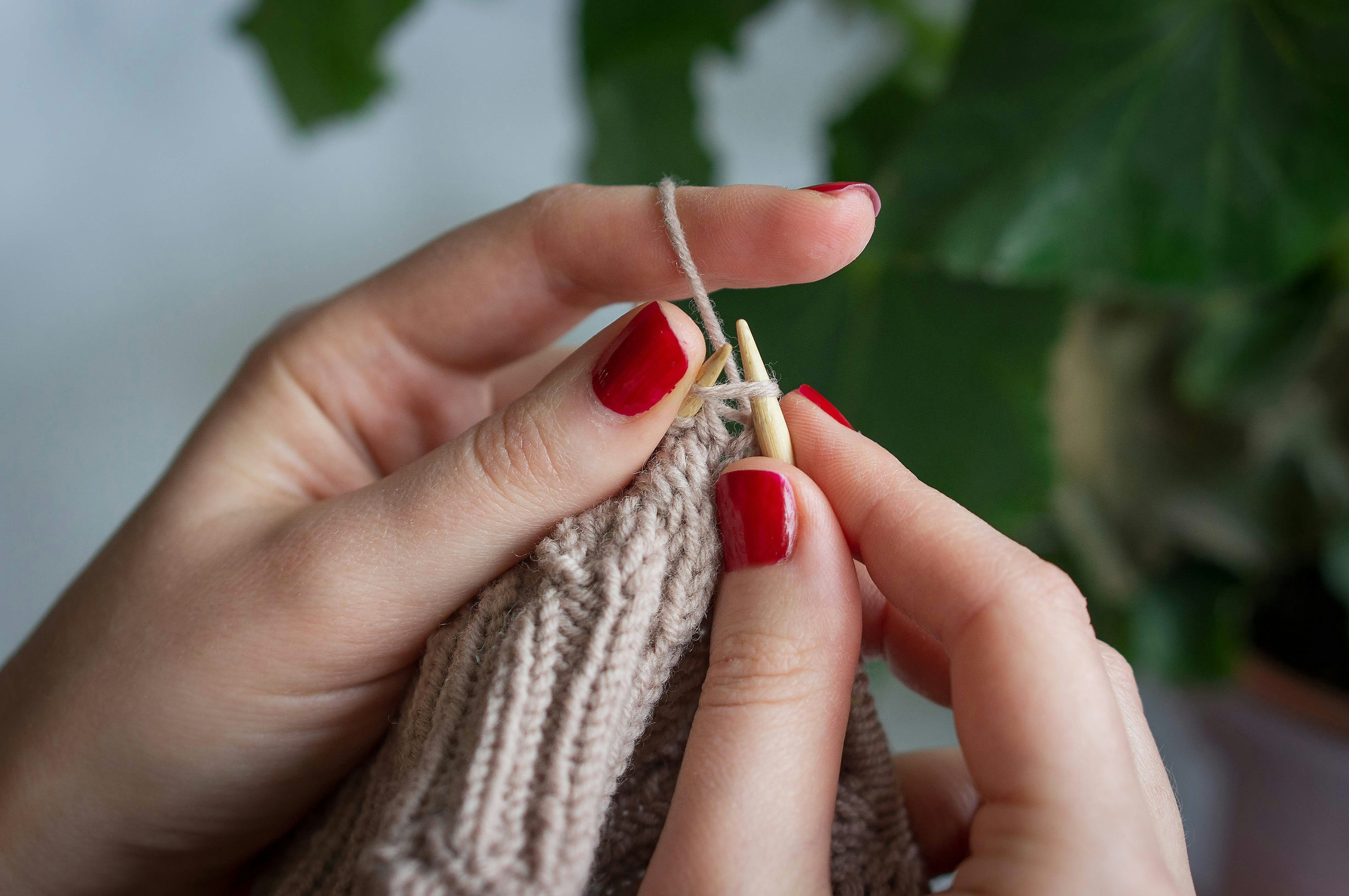
Hobby guilt is the quiet anxiety of the creative age. That hum inside the mind that whispers, This could be something. It’s the voice that won’t let you doodle without wondering if you should post it. The one that asks if your evening walk should be a podcast, or your journal a newsletter. It’s the part of you that confuses joy with output.
The tragedy isn’t that we’ve become too ambitious. It’s that we’ve forgotten the holiness of being ordinary.
As children, we were allowed to be delightfully bad at things. To sing off-key. To draw suns with faces. To play pretend. To make messes that meant nothing. Somewhere along the way, adulthood replaced curiosity with competence. The world convinced us that joy without an audience is wasted.
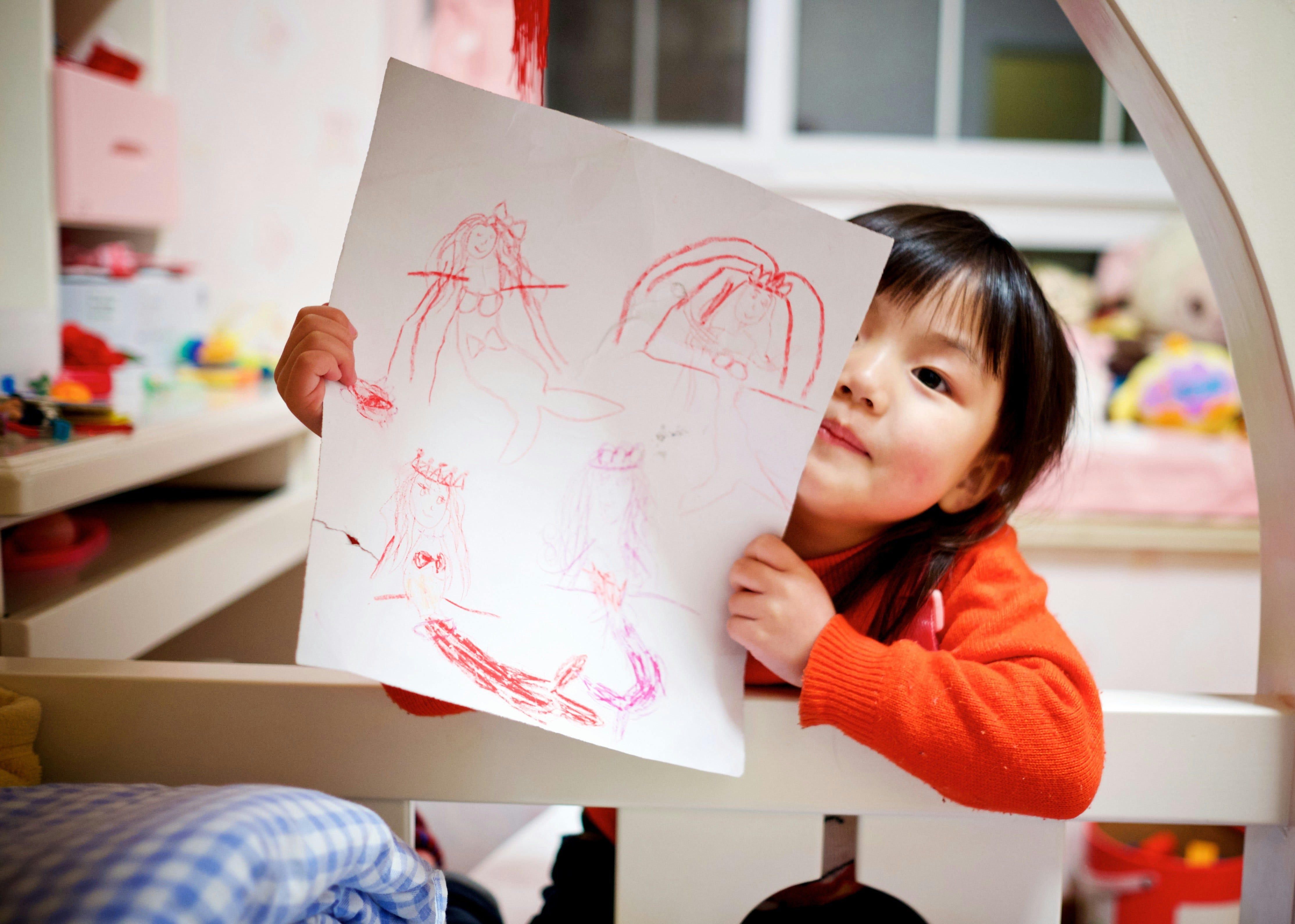
We began to fear being seen as beginners.
But hobbies were never meant to impress. They were meant to humanise. To soften. To make the hours stretch gently. To remind us that not everything needs to scale, not everything we love has to earn its keep.
The painter doesn’t need a gallery. The reader doesn’t need a Goodreads goal. The gardener doesn’t need a YouTube channel. The act itself is the reward. It is the brain’s prefrontal cortex quieting as the motor cortex takes over, that subtle shift from thinking to doing, from judging to being.
Neuroscientists call it flow – that state where time dissolves and the self loosens its grip. It’s the mind’s natural way of healing. The body’s way of saying, You’re safe enough to play.
And yet, we keep chasing outcomes. We treat leisure like labour, joy like investment. We turn every quiet pleasure into a public performance, then wonder why we’re exhausted ALL the time.
Maybe it’s time to reclaim the luxury of being mediocre. It’s fine if your calligraphy looks like bad handwriting. If your sourdough collapses. If your dance never becomes a reel. The joy of creation was never meant to be measured in likes, comments, or ROI.
To do something badly is to do it freely.
So maybe the next time you feel the itch to be good at everything, let yourself be delightfully average.
Write badly. Sing softly. Plant something and forget what it’s called. Paint a wall the wrong colour and live with it.
Every act that doesn’t demand perfection rewires the nervous system to relax. It tells the amygdala that nothing terrible will happen if you’re not brilliant. It reminds you that play is not the opposite of work; it’s the reason we learned to work at all.
Because the point of a hobby isn’t to master it. It’s to remember that life is not a performance. You don’t owe anyone a polished version of your joy.